sodium bicarbonate feed and food grade

Multi-Grade Sodium Bicarbonate: Sourcing Food, Feed, and Industrial Grades

Sodium bicarbonate looks like one product on paper: the same white crystalline powder, the same basic chemical formula (NaHCO₃), but the grade you actually need depends entirely on where it’s going next. A feed mill blending it into cattle rations has completely different purity requirements than a bakery buying it for leavening, and both are worlds apart from a factory

Read More »
Industrial Glycols Application

Industrial Glycols Application: A Guide to Sourcing MEG, DEG, TEG, and MPG

Glycols are a chemical family where a small labeling mistake causes a real production problem. Monoethylene glycol (MEG), diethylene glycol (DEG), triethylene glycol (TEG), and monopropylene glycol (MPG) all look similar on a spec sheet: clear, viscous, hygroscopic liquids, but they serve completely different industries, and substituting one for another is rarely a safe shortcut. A polyester fiber plant needs

Read More »
chemical export documentation

Chemical Export Documentation & Compliance: COA, MSDS, and Quality Standards

If you import industrial or petrochemical products, you already know that the product itself is only half the deal. The paperwork that travels with it decides whether your shipment clears customs smoothly, whether your quality team can actually verify what’s in the drum, and whether your company stays compliant with local safety law. Good chemical export documentation is what separates

Read More »
Iranian vs Russian urea

Iranian Urea vs Russian Urea Price Comparison

When agricultural distributors and fertilizer importers compare major urea suppliers, Iranian vs Russian urea is an important comparison for buyers in markets such as India, Pakistan, and parts of Africa. Both Iran and Russia have large natural gas reserves and established fertilizer industries. Both can produce urea 46% (urea with around 46% nitrogen), making them important sources of nitrogen fertilizer

Read More »
Trader vs. Direct Manufacturer

Why Direct Manufacturer Sourcing Beats Trading Companies

When you’re placing a large chemical order, the supplier you choose matters just as much as the product itself. This is where the trader vs. direct manufacturer decision comes in, and it’s one every serious buyer eventually has to make. Do you buy through a trading company that resells product from wherever is convenient, or do you go straight to

Read More »
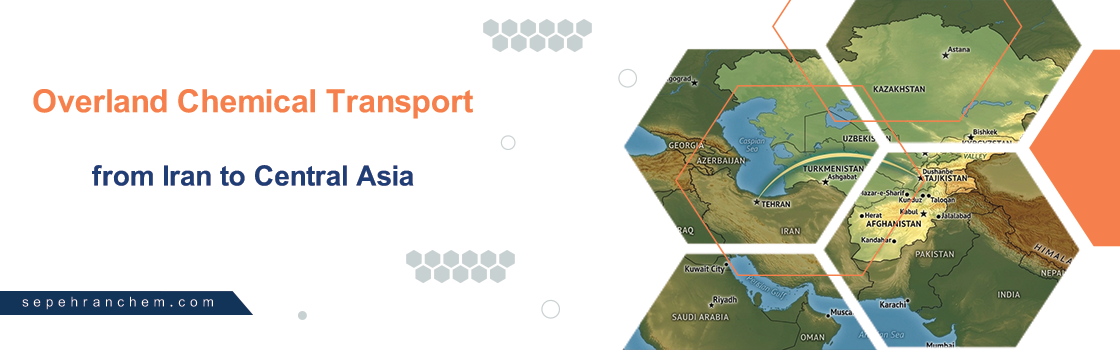
Iran overland export routes to Central Asia

Overland Chemical Transport from Iran to Central Asia

For procurement managers in Turkmenistan, Tajikistan, and other landlocked Central Asian countries, one question comes up again and again: how do you get chemical products delivered quickly, safely, and without paying a fortune in freight? The answer, in most cases, is not a container ship. It’s the road and rail network that already connects Iran to Central Asia. Iran overland

Read More »
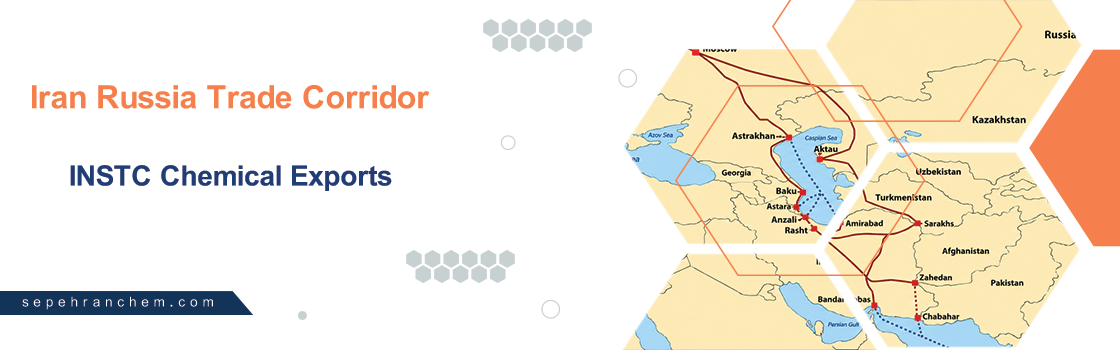
Iran Russia trade corridor

Iran Russia Trade Corridor INSTC Chemical Exports: A Procurement Guide

The Iran Russia trade corridor is becoming an important logistics route for companies moving industrial chemicals between Iran, Russia, and the wider CIS market. At the centre of this trade route is the International North-South Transport Corridor (INSTC), a multimodal network that connects Iran with Russia through the Caspian region and overland routes. For chemical buyers, the Iran Russia trade

Read More »
Iran chemical export prices

Iran Chemical Export Prices 2026: Buying Guide, Price Factors

Iran chemical export prices remain an important consideration for international buyers planning their 2026 procurement. Iran has a large petrochemical production base, access to natural-gas feedstocks, and established trade routes connecting it with markets across South Asia, the Middle East, and the CIS region. For buyers sourcing products such as urea, methanol, caustic soda flakes, ammonium sulphate, and other industrial

Read More »