
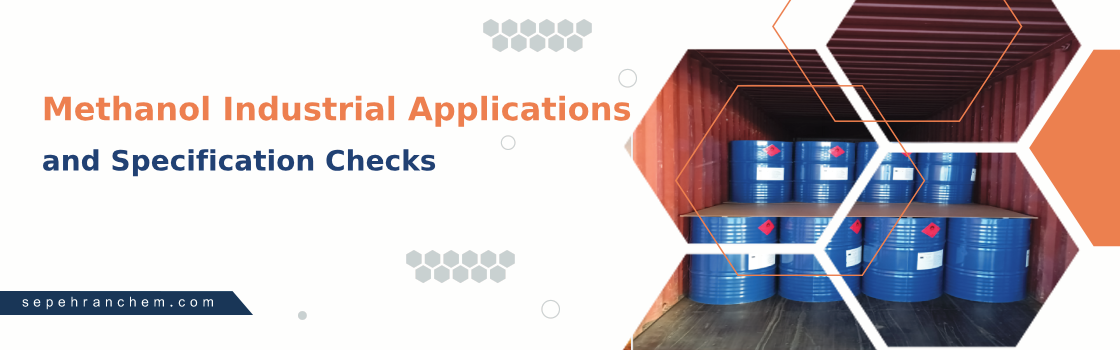
Methanol is a clear, flammable liquid alcohol that industry uses in three main ways: as a building block for other chemicals, as a solvent, and as an energy-related product. It is one of the most widely traded bulk chemicals, which is why methanol industrial applications range from plastics and adhesives to cleaning fluids and biodiesel.
For an application owner, the useful question is not only what methanol does, but what it must be like for your process. A buyer making formaldehyde and a buyer blending cleaning fluids may both order “industrial-grade methanol,” yet they can check very different things. This guide walks through the main uses and shows how to match your methanol specification checks to each one.
Where Methanol Is Used
Methanol industrial applications fall into four broad groups. Most buyers work in one of them, so find yours and read that block first.
Chemical Manufacturing
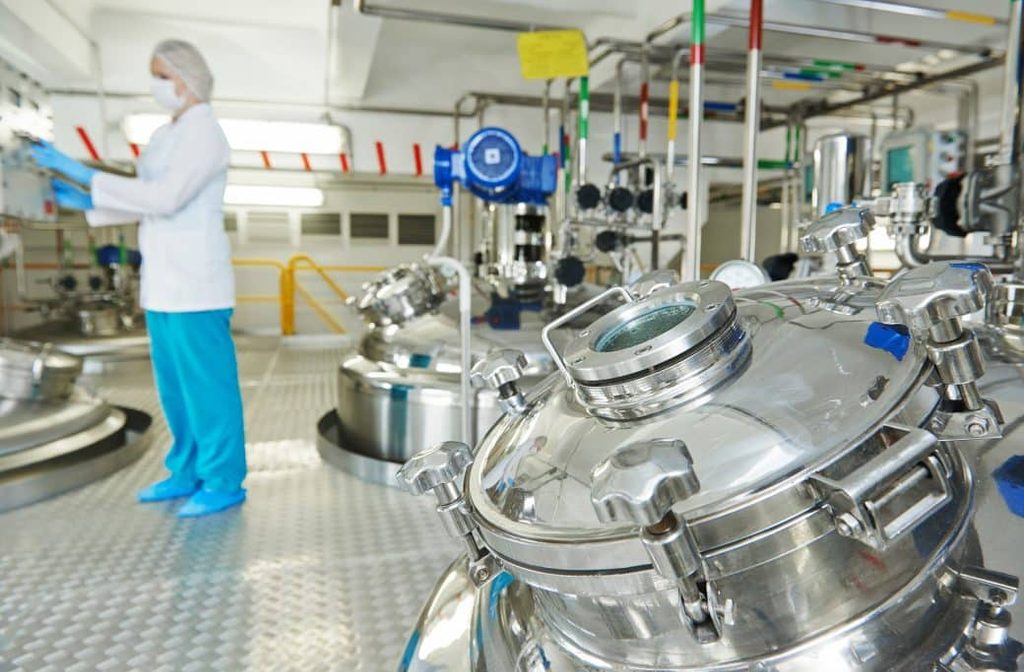
If you are asking what methanol is used for, chemical manufacturing is the biggest answer. Methanol uses in chemical manufacturing start with its role as a raw material. It is converted into formaldehyde, which goes into resins, adhesives, and wood-based panels. It is also used to make acetic acid, which feeds a wide range of downstream products.
Methanol also helps produce other solvents and esters. Methyl acetate, for example, is an ester that can be made from methanol and acetic acid. Buyers who need the finished ester rather than the raw alcohol can look at bulk methyl acetate instead.
In these plants, methanol is a reactant. That means the quality of the input directly affects the reaction and the product that comes out. If you run a process like this, treat methanol as a controlled raw material and ask what the supplier tests before each shipment.
Petrochemical Feedstock
Methanol also serves as a petrochemical feedstock. In methanol-to-olefins plants, it is converted into ethylene and propylene, the building blocks of many plastics. For these users, methanol is not an additive but the main raw material. Plants of this kind tend to have strict written requirements, because impurities can affect catalysts and equipment over long production runs. For a feedstock buyer, steady quality from one delivery to the next is often as important as any single result.
Solvent Uses
Methanol solvent applications are common because the liquid dissolves many substances, mixes easily with water and many other liquids, and evaporates readily. Typical uses include cleaning products, coatings, extraction processes, laboratory and process work, and winter-use fluids. Here, methanol is a carrier or cleaning agent instead of a reactant, so the concerns shift to things like water content, appearance, and residue left after evaporation. Solvent users should also think about the safety of the work area, since a solvent used in open or semi-open operations puts vapors into the air that workers breathe.
Energy Applications
In the energy sector, the best-known use is biodiesel. Producers react methanol with fats and oils to make biodiesel, so methanol is an input to the process. Methanol is also used in fuel-related applications and blending. Water matters especially for biodiesel producers, because it can interfere with the reaction, so these buyers pay close attention to water content.
What Buyers Verify for Each Application
Methanol specification checks are most useful when they start with your own process, not with a supplier’s brochure. Before you ask for documents, write down what your application needs. Then compare it with what the supplier can show. This guide does not set numerical limits, because the right values depend on your process, your equipment, and your own standards.
| Application | What to check first | Why it matters |
|---|---|---|
| Chemical manufacturing | Purity and impurities that could affect your reaction | The methanol is an input, so contaminants can carry into your product |
| Petrochemical feedstock | Purity, impurities, and consistency from batch to batch | Catalysts and process units are sensitive over long runs |
| Solvent uses | Water content, appearance, and residue | These affect cleaning performance and the finish of coatings |
| Energy and biodiesel | Water content and purity | Water can interfere with the biodiesel reaction |
Industrial-grade methanol suits many of these roles, but “industrial” is a category, not a specification. Two buyers can both receive industrial-grade methanol and still need to check different numbers.
Write Your Requirement First
A specification check only works if you know what you are checking against. Before you contact a supplier, put the following on paper:
- The process or product the methanol will go into
- The properties that your process is most sensitive to, such as purity or water content
- Any standards your own customers or regulators require
- The delivery format and the quantity per shipment
This short list turns a vague request into a clear one. It also makes supplier responses easy to compare, because every answer is measured against the same requirement.
Use the COA and TDS Together
Two documents help you check methanol specification, and they do different jobs.
- TDS (technical data sheet). This describes the product and its characteristics in general. Use it to see whether the product could suit your process before you order.
- COA (certificate of analysis). This reports test results for a specific batch. Use it to confirm that the shipment you receive matches your requirement.
Sepehran’s methanol page lists both a COA and a TDS among the documents available. Compare each one against your written requirement, line by line. If a parameter you care about does not appear on either document, ask about it before you order, not after the cargo arrives.
Ask About Consistency
One good certificate does not guarantee steady quality. If you plan to buy regularly, ask how the supplier keeps results consistent from batch to batch, and compare certificates from several shipments over time. For most application owners, a stable product is easier to run than one that is excellent one month and different the next.
Check How the Methanol Will Be Delivered
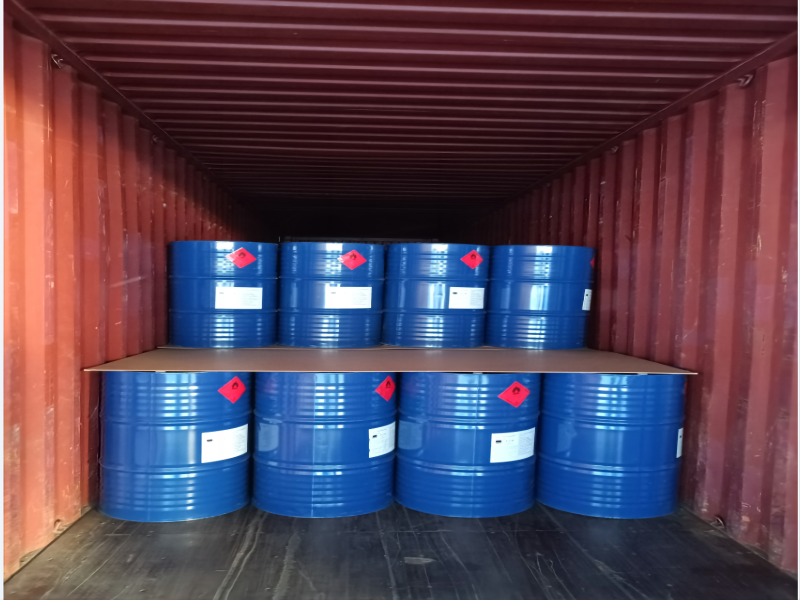
Methanol ships in ISO tanks, drums, and bulk tankers. The right choice depends mostly on your volume and on what your site can unload. A plant with tank storage and a transfer line has different needs than a workshop that uses a few drums at a time.
Ask whether your site can receive the format offered. Also ask how the supplier keeps the container clean and dry before loading, because methanol picks up water from the air and contamination in the container can change what you receive.
A Short Example: Two Buyers, Two Checklists
Consider how two buyers would approach methanol industrial applications differently. The first buyer runs a small biodiesel plant. Methanol is a reactant, and water is a known problem, so this buyer reads the COA for water content first and asks how the product is protected from moisture in transit. A tank format suits the plant’s regular volumes.
The second buyer blends cleaning fluids. Methanol here is a solvent, so appearance and residue matter more, and drums fit the batch sizes. Both buy industrial-grade methanol, yet their checklists look very different. That is why matching methanol specification checks to your application works better than asking for the “best” product.
Handling and Shipping Basics
Methanol needs careful handling. It is flammable, so vapors can ignite from heat, sparks, and static electricity. It is also toxic, so inhalation, swallowing, and skin contact all pose risks. Anyone who handles it should read the safety data sheet first and follow it. In practice, that means a few habits:
- Store methanol away from heat and ignition sources.
- Keep containers closed and tanks ventilated.
- Use grounding and bonding when transferring it.
- Train staff on spill response and personal protective equipment.
Because methanol is both flammable and toxic, it is regulated as dangerous goods during transport. That affects the labels on the packages, the paperwork that travels with the cargo, and what carriers will accept. For a clear explanation of UN numbers, hazard classes, and labels, see our guide to dangerous goods classification.
Also think about receiving and storage. Confirm that your tanks, hoses, and pumps are suitable for flammable liquids, and that staff know the emergency procedures. Plan for these requirements early. A shipment that is ready on your side can still be delayed if the receiving site is not set up for flammable liquids.
Frequently Asked Questions
Methanol is used to make chemicals such as formaldehyde and acetic acid, as a petrochemical feedstock, as an industrial solvent, and in energy applications such as biodiesel production.
Not automatically. Industrial-grade methanol covers many uses, but each process has its own needs. Write down your requirement and compare it with the supplier’s COA and TDS before ordering.
Ask for the COA and the TDS, plus the safety data sheet. Use the TDS to judge suitability and the COA to confirm the batch you receive.
Start with your monthly volume and your site’s unloading and storage setup. Large, regular volumes often suit tanks, while smaller volumes may suit drums. Confirm the option with your supplier.
Start with the role methanol plays in your process: reactant, feedstock, solvent, or fuel input. Methanol industrial applications differ widely, so identify the properties your process is most sensitive to, write them down, and ask the supplier to show where each one appears on the COA or TDS.
It can. Biodiesel production and some solvent uses are sensitive to water, and methanol absorbs moisture easily. If water matters to your process, ask for the value on the COA.
Specify With Confidence
The best methanol specification checks start with your application. Know what your process needs, compare it with the TDS and COA, confirm the delivery format, and plan for safe handling and shipping. That approach keeps methanol industrial applications running smoothly, whatever your industry.
If you plan to import industrial methanol, tell us your application, quantity, and destination. Request a Bulk Supply Quote and we will respond with the product documents and delivery options available.