
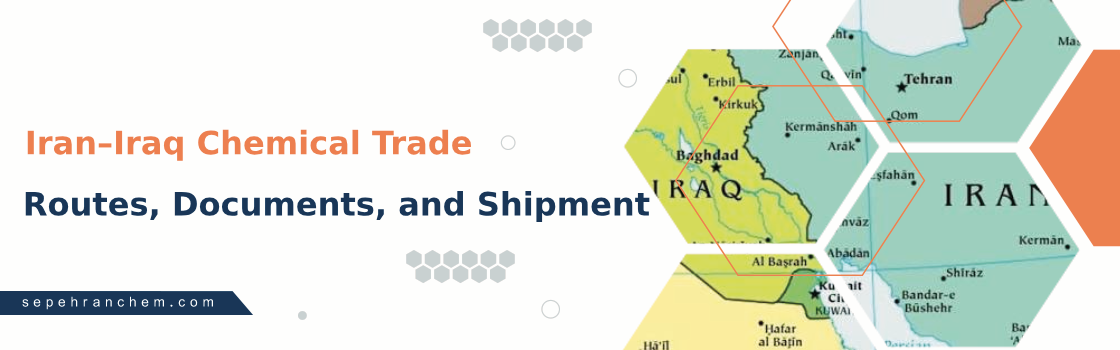
Iran Iraq chemical trade offers industrial buyers several ways to arrange bulk shipments, but the right option depends on the product, destination, cargo type, and current border or port conditions. Overland transport is often worth evaluating for cross-border deliveries, while port-based shipping may suit specific cargo and logistics arrangements. Buyers should confirm permits, clearance procedures, and lead times before requesting a quotation.
Overland vs. Port Routes
For many shipments between Iran and Iraq, road transport is a practical starting point because the countries share a land border. Several crossings support commercial trade, but the best choice depends on the origin, final destination, cargo requirements, and current operating status.
Shalamcheh is an important crossing for trade in southern Iraq, while Mehran and Khosravi are among the crossings used for trade with other parts of Iraq. Bashmaq and Parvizkhan can be relevant when the destination is in the Kurdistan Region. These options should not be treated as interchangeable: the route must match the delivery location and the customs arrangements for the shipment.
| Route type | Potential use | Main considerations |
|---|---|---|
| Southern overland crossing, such as Shalamcheh | Deliveries toward Basra and other southern destinations | Border status, truck availability, customs procedures, and onward transport |
| Central overland options, including Mehran or Khosravi | Shipments toward central Iraqi destinations, subject to the selected route | Transit time, border queues, road arrangements, and clearance requirements |
| Northern crossings, including Bashmaq or Parvizkhan | Deliveries toward parts of the Kurdistan Region | Destination access, regional customs procedures, and onward trucking |
| Port-based shipping involving an appropriate Iraqi port | Cargo suited to sea freight or a combined sea-and-road arrangement | Vessel availability, port handling, transshipment, and additional inland transport |
Iraq’s Umm Qasr port is a major maritime gateway, with facilities for containerized and general cargo. However, using a port does not automatically make a shipment from Iran faster or more economical. The available carrier service, cargo type, port handling, and onward delivery arrangements must all be checked.
When comparing overland chemical transport Iran to Iraq, ask logistics providers to quote the complete journey to the named destination. A short border-to-border transit estimate may not include loading, export clearance, waiting time, import clearance, or final inland trucking.
Which Chemical Products Can Be Shipped?
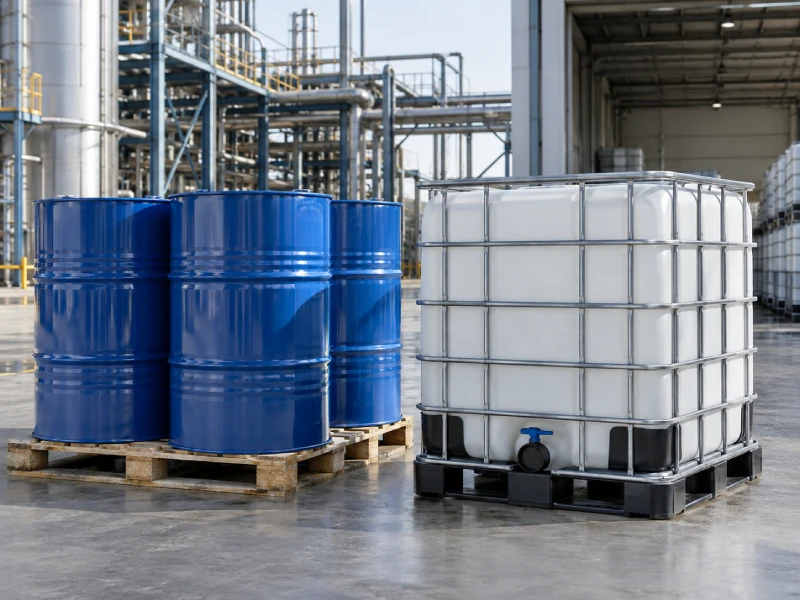
The transport method and packaging should match each chemical’s physical properties, handling requirements, and applicable regulations.
- Caustic Soda Flakes: Usually considered for transport in suitable moisture-resistant bags or bulk bags, subject to packaging specifications and handling requirements.
- Urea: Commonly shipped as a solid in suitable bags or bulk, depending on the order and handling facilities.
- Methanol: A flammable liquid that requires compatible, approved containment and suitable transport arrangements. Depending on the shipment, an ISO tank may be considered if it meets applicable requirements.
- White Spirit: A flammable solvent that requires suitable sealed packaging or approved bulk-liquid equipment, based on the product specification and transport rules.
These are general packaging options, not a confirmation that every format is suitable for every shipment. The buyer and carrier should confirm the product’s safety data sheet (SDS), applicable dangerous-goods classification, packaging approval, and loading requirements before booking transport.
Documents and Customs Checkpoints
Before dispatch, prepare the commercial invoice, packing list, Certificate of Analysis (COA), and safety data sheet (SDS), as applicable. The importer should also confirm the correct product classification, required import permits, and any product-specific approvals with the relevant Iraqi authorities or customs broker.
Iraq’s Ministry of Environment identifies environmental approvals for certain chemical imports as part of its regulatory responsibilities. Requirements depend on the chemical and its intended use, so buyers should not assume that the same approval applies to every industrial product. For a broader explanation of shipment paperwork, read our guide to chemical export documentation. Confirm the required documents before loading, rather than waiting until the shipment reaches the border.
What documents does Iraq require for chemical imports?
The exact requirements depend on the chemical, its classification, intended use, and applicable Iraqi rules. Buyers should confirm whether an import license, environmental approval, or other product-specific authorization is required, in addition to the commercial and technical documents needed for clearance. Do not treat a COA and SDS as substitutes for an official permit where one is required.
What Delays Iran–Iraq Chemical Shipments?
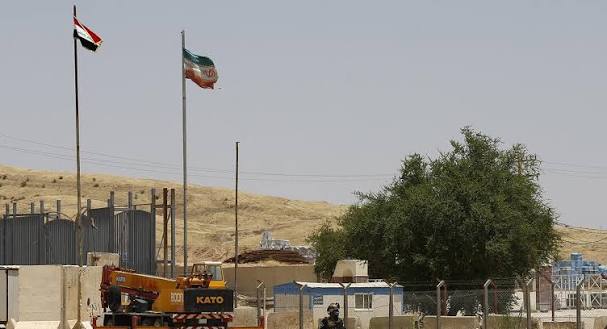
Even a well-planned shipment can take longer than expected. The main risks include:
- Border crossing disruptions: Operating status and processing conditions can change. In September 2026, for example, reporting described temporary disruptions and the gradual resumption of trade at several Iran–Iraq crossings. This illustrates why the chosen crossing should be checked again before dispatch.
- Incomplete documentation: Inconsistent product descriptions, quantities, or consignee details can trigger corrections and additional checks.
- Import permit issues: If a required authorization has not been obtained, the cargo may be delayed even when the transport arrangements are ready.
- Packaging and vehicle availability: The required truck, tank, or handling equipment may not be available when the goods are ready for loading.
- Port handling and inland transport: For port-based shipments, vessel schedules, terminal operations, cargo transfers, and final delivery can all affect the arrival date.
- Unrealistic transit estimates: A quoted transit time may cover only the driving or sailing period, not the full process from order readiness to delivery.
For this reason, Iran Iraq chemical trade planning should use a delivery schedule that separates preparation, clearance, transit, and final delivery. Avoid relying on a single fixed estimate without understanding what it includes.
Iran to Iraq Bulk Shipment Planning Checklist
Before sending an RFQ or confirming a shipment, check the following:
- Confirm the product name, grade, quantity, and technical specification.
- Provide the destination city and exact delivery point.
- Agree on packaging, loading requirements, and any applicable dangerous-goods rules.
- Ask the importer or customs broker to confirm required permits and clearance documents.
- Compare available border or port options for the actual destination.
- Request an estimated lead time covering preparation, transit, clearance, and final delivery.
- Confirm the Incoterm, freight responsibilities, insurance arrangements, and destination charges.
- Agree on how the supplier or logistics provider will report delays or changes.
Buyers arranging their first shipment should also confirm whether bonded storage, transshipment, or special handling is needed. These arrangements are not automatically required, and their suitability depends on the cargo and the selected logistics plan. For related regional information, explore our chemical supply to the Middle East guide.
Frequently Asked Questions
Depending on the product and destination, shipments may move by road through a suitable land crossing or through a port-based arrangement. The decision should account for packaging, cargo classification, border or port operations, customs requirements, and final delivery arrangements.
There is no single best crossing for every shipment. Shalamcheh, Mehran, Khosravi, Bashmaq, and Parvizkhan may be relevant for different destinations, but buyers should verify current commercial operations and confirm the appropriate route with their logistics provider before dispatch.
Transit time depends on the origin, destination, crossing, cargo type, transport availability, and clearance procedures. Request a route-specific estimate that includes expected handling and clearance time, and allow for possible disruptions rather than relying on driving time alone.
Confirm product specifications, packaging, the required commercial and technical documents, applicable import permits, customs classification, delivery terms, and the full shipment schedule. Requirements should be checked for the specific chemical before the cargo is dispatched.
Request a Bulk Chemical Shipping Quote
Successful Iran Iraq chemical trade depends on matching the product with a suitable transport arrangement and confirming the import requirements before dispatch. A clear RFQ helps suppliers and logistics providers assess cargo needs, destination requirements, packaging, and expected delivery timing. Contact Sepehran Chemistry with your required chemical, quantity, grade, packaging preference, and Iraqi destination. Our team can discuss product availability and the information needed to assess your bulk supply request.