

Most people know urea as a fertilizer, but a large share of buyers use it for something else. The main industrial uses of urea are making urea-formaldehyde resin for wood adhesives, producing the solution used in diesel exhaust fluid, and serving as a raw material for other chemicals such as melamine. These urea non-fertilizer uses have different quality needs than farm use, so the right purchase starts with knowing your application.
This guide explains where urea is used outside agriculture, what buyers should check for each use, and why you should state your application when you ask for a quote. It also covers packaging and handling for bulk orders.
Industrial Uses of Urea at a Glance
Urea is a white, water-soluble solid that contains a lot of nitrogen. Pure urea is about 46% nitrogen by weight, which is why it dominates fertilizer markets. In industry, other properties matter more. Urea reacts readily with formaldehyde, dissolves easily in water, and acts as a source of nitrogen in chemical reactions. The table below summarizes the main non-fertilizer uses, why urea is chosen for each, and what a careful buyer checks.
| Use | Why urea is used | What the buyer checks |
|---|---|---|
| Urea-formaldehyde resins and adhesives | Reacts with formaldehyde to form a low-cost, fast-curing thermosetting resin | Purity, impurities that could disturb the reaction, moisture, and batch consistency |
| Diesel exhaust fluid (DEF) | Dissolved in water to make a urea solution that reduces nitrogen oxide emissions in diesel engines | Whether the product is documented for this use, plus the standard the final fluid must meet |
| Melamine and other chemical intermediates | Serves as a nitrogen-containing raw material | Purity and the impurity profile your process can tolerate |
| Finishing and molded products | Appears in resins used in laminates, textiles, paper, and foundry molds | Consistent quality and clear documentation |
The grade and use should be confirmed against the COA and TDS.
Urea in Resins and Adhesives
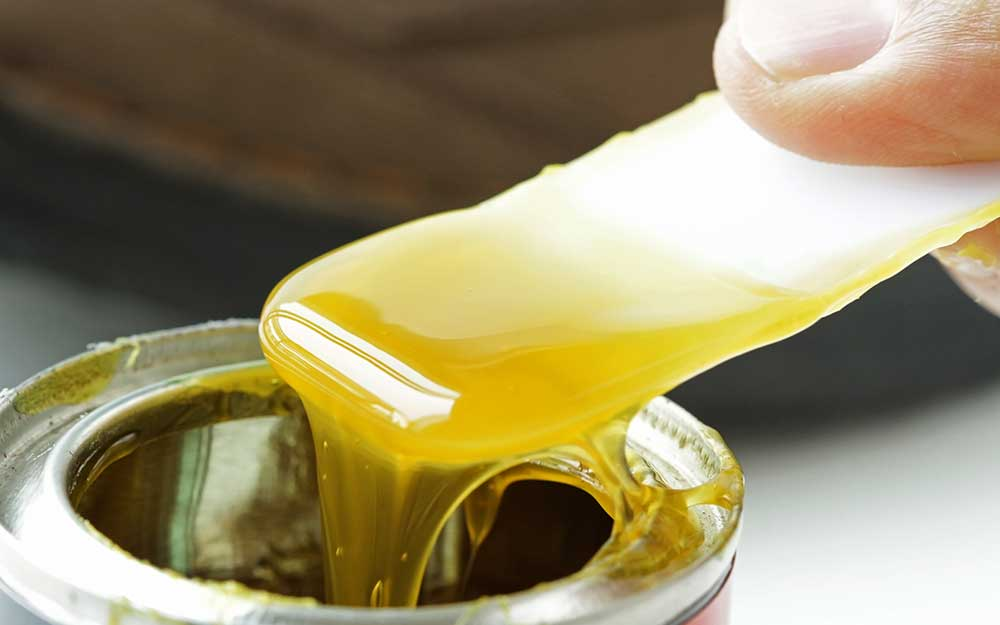
The largest industrial outlet for urea is resin. When urea reacts with formaldehyde, it forms urea-formaldehyde (UF) resin, a thermosetting adhesive. Industry sources describe UF resin as inexpensive, fast curing, and clear in color, and most of it goes to the wood products industry. Plywood, particleboard, and medium-density fiberboard rely on it as a binder.
UF resin is also used in decorative laminates, some textile finishes, paper treatments, and foundry sand molds. For a resin maker, urea is a reactant, so the quality of the incoming material feeds directly into the quality of the resin. That is why buyers in this segment look closely at purity, impurities, and moisture, and why consistency from one shipment to the next matters as much as any single test result.
Urea in Diesel Exhaust Fluid
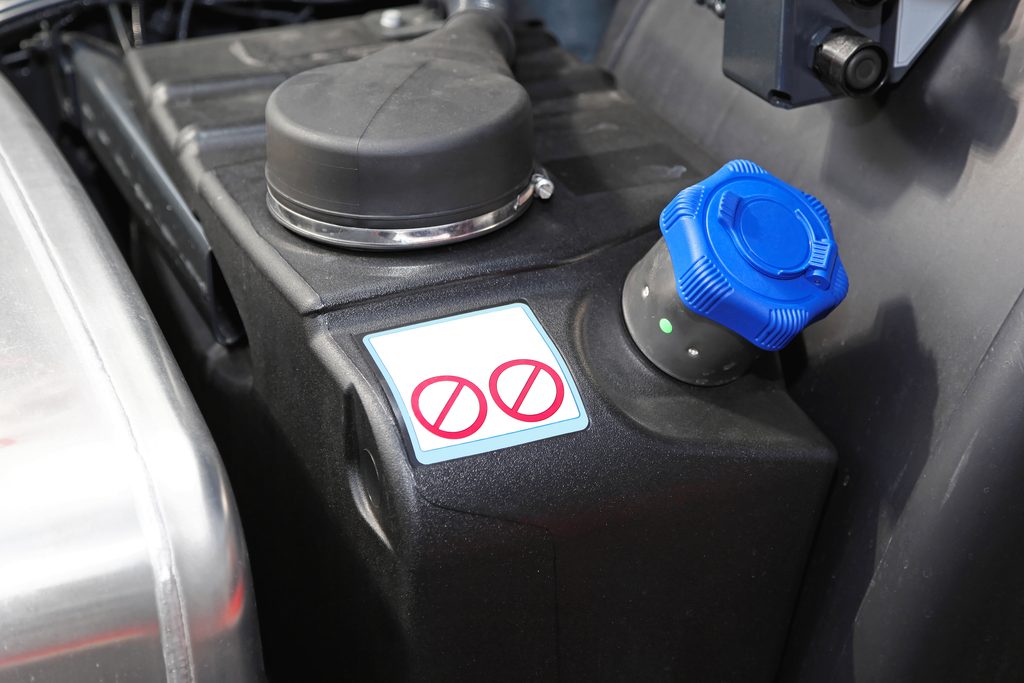
The second well-known use is diesel exhaust fluid, often called DEF or AdBlue. It is a solution of urea in water, injected into the exhaust of diesel engines fitted with selective catalytic reduction (SCR) systems, where it helps convert nitrogen oxides into nitrogen and water.
DEF is held to a strict standard. ISO 22241-1 defines the fluid as a solution containing 32.5% urea by mass, made from technically pure urea and pure water. The standard notes that agricultural urea grades can contain compounds that the standard does not allow, so they are excluded from its definition of technically pure urea.
According to the standard’s definitions, DEF producers can make the fluid by dissolving solid urea in pure water, among other routes. That is why the quality and clean handling of the input matter so much. The lesson for buyers is simple. Not every urea suits DEF. If DEF is your application, say so at the start, ask for written confirmation of what the product is documented for, and do not assume a fertilizer-type product will qualify.
Melamine and Other Intermediates
Urea is also a raw material for melamine, which goes into laminates, coatings, and molding compounds, and it can serve as a nitrogen source in other chemical processes. These buyers usually have their own written requirements. For them, the useful question is whether the supplier’s documents show the parameters their process depends on.
Fertilizer vs Technical Applications
Buyers often ask about technical grade vs fertilizer grade urea, as if one clear line separated them. In practice, the difference depends on the requirements of the application. A fertilizer buyer mainly cares about nitrogen content, because it determines how much nutrient the crop receives. A resin maker or fluid producer may care more about impurities, moisture, and how consistent the product is over time.
That does not make one grade better than the other. It means each application defines what “suitable” looks like. Sepehran’s product page lists industrial and fertilizer-grade urea for agricultural and chemical applications. Which one fits you depends on your process, and the grade and use should be confirmed against the COA and TDS. For farm and crop buyers, our agriculture chemicals category shows the related products Sepehran lists for agricultural use.
Why You Should State Your Application

When you request a quote, tell the supplier what you will use the urea for. This one detail changes the conversation in three ways. First, it shows which parameters matter. A resin maker, a fluid blender, and a fertilizer distributor each need to see different numbers.
Second, it prevents mismatches. A product suited to one use can be wrong for another, and it is far cheaper to discover that before an order than after the cargo arrives. Third, it lets the supplier send the right documents. A COA reports test results for a specific batch, and a TDS describes the product in general. Together they let you compare the product against your own requirement. A short list of what to include in your inquiry:
- Your application (resin, fluid, chemical process, or other)
- Any parameters your process is sensitive to
- The quantity you need per shipment
- Your preferred packaging
- Your destination
Do Not Rely on One Number
Many buyers ask only for the nitrogen figure, often quoted as 46%. That number matters for fertilizer, but it does not describe every property that matters for technical use. Moisture, impurities, and consistency can affect a resin or chemical process even when the nitrogen figure looks fine. Ask which parameters appear on the COA, and check them against your requirement.
A Quick Buying Checklist
Before you place a first order for any non-fertilizer use, run through these points:
- Name the use. Tell the supplier whether the urea is for resin, fluid, a chemical process, or another purpose.
- Write your requirement. List the parameters that matter to your process before you read any supplier document.
- Ask for the COA and TDS. Compare both against your requirement, line by line.
- Ask about consistency. Find out how the supplier keeps results steady from batch to batch, and compare certificates from several shipments if you buy regularly.
- Match packaging to your site. Confirm that your equipment can handle the bag format you choose.
- Check that documents match the product. The product name, grade, and batch details should agree across every paper that arrives with the cargo.
This short routine takes little time, and it protects you from the most common problem in technical buying: receiving a product that is fine for one use but wrong for yours.
Packaging and Handling
Sepehran’s product page lists bulk bags, woven PP bags, and jumbo bags, with customized export packaging available according to buyer requirements. Each option fits a different type of buyer.
- Woven PP bags suit smaller, steady volumes and sites that handle material by hand or with simple lifting equipment.
- Bulk bags and jumbo bags suit larger volumes and sites with forklifts or cranes, since one bag holds a much larger quantity.
- Customized packaging may help if your site has specific handling needs. Discuss it with the supplier early.
Choose the format based on how your site receives and stores material. A plant with a forklift and covered storage has different needs than a workshop with limited space. Urea absorbs moisture from the air, so handling matters even though the product is not particularly hazardous. Keep bags sealed until use, store them in a dry place off damp floors, and avoid leaving opened bags exposed. Moisture can make the material clump, which causes problems in feeding equipment and can affect how it behaves in your process. Always read the safety data sheet before handling.
If you ship overland, plan the details early. Buyers moving cargo toward Pakistan can find route and document planning questions in our guide to Iran Pakistan chemical trade.
Frequently Asked Questions
The main industrial uses of urea are making urea-formaldehyde resin for wood adhesives and laminates, producing the urea solution used in diesel exhaust fluid, and serving as a raw material for chemicals such as melamine.
Not automatically. Technical uses can have stricter requirements on impurities and consistency. For DEF in particular, the standard excludes agricultural grades from its definition of technically pure urea. Always compare the COA and TDS with your own requirement.
The difference is defined by the application. Fertilizer buyers focus on nitrogen content. Technical buyers often focus on impurities, moisture, and consistency. Check the supplier’s documents against your specific needs.
Ask for the COA, to see batch test results, and the TDS, to see the product description. Add the safety data sheet for handling guidance.
Our Iranian vs Russian urea comparison covers the buying criteria to weigh when you evaluate suppliers.
Choose by volume and by how your site receives material: woven PP bags for smaller volumes, bulk or jumbo bags for larger ones. Confirm the option with the supplier.
Tell Us Your Application
The right choice among the industrial uses of urea starts with your own process. Know what you will use it for, write down the parameters that matter, and check the COA and TDS against them before you order. Ready to discuss your requirements? Request a Bulk Supply Quote and tell us your application, quantity, packaging preference, and destination.