
Iran and Pakistan share a border of more than 900 kilometers, and that simple fact shapes how goods move between them. For Pakistani importers, distributors, and factory purchasing managers, Iran–Pakistan chemical trade is more than a list of products and prices. It is about how cargo travels, how long it takes to arrive, and how predictable the delivery will be.
This guide explains how chemical exports from Iran to Pakistan work in practice, why the overland route matters for fertilizer and industrial buyers, and what to look for in a supplier. Whether you are comparing options or just learning the market, the goal is to give you a clear picture before you ever request a price.
A Natural Trade Route Between Two Neighbors
Geography makes the Iran-Pakistan trade route one of the most practical in the region. Iran’s petrochemical and fertilizer plants sit in the south and southwest, close to Gulf ports and the road network that runs east toward Sistan and Baluchestan province. From there, cargo heads to the Pakistan-Iran border and then on to Quetta, Karachi, and the rest of Pakistan’s market.
Two crossings matter most. The first is Mirjaveh on the Iranian side, which connects to Taftan in Pakistan. It is the main gateway for road and rail freight. The second is Gabd on the Iranian side, which connects to Rimdan in Pakistan, and it serves southern Balochistan and the coastal belt.
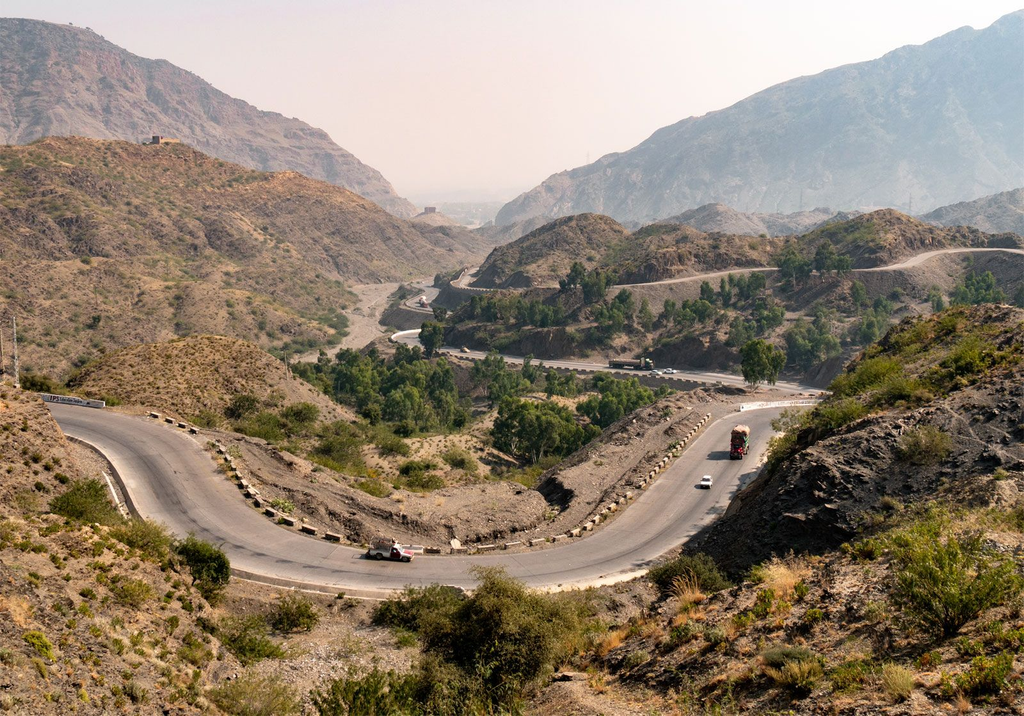
Zahedan is the main Iranian hub feeding the Mirjaveh–Taftan corridor, while Quetta is the natural inland distribution point on the Pakistani side. Two coastal ports also matter: Chabahar in Iran and Gwadar in Pakistan. They are relatively close to each other and add sea-and-land options to the mix. For anyone studying the Iran-Pakistan land border trade, the key point is that these are established corridors with existing infrastructure, not experimental routes.
Why Overland Transport Matters
Buyers often ask why they should care about the route at all, as long as the product arrives. The answer is that the route determines cost, timing, and flexibility.
- Shorter, more direct movement. Overland chemical transport lets cargo travel from an Iranian factory to a Pakistani warehouse with fewer handoffs than a long sea voyage. Fewer handoffs mean fewer places for delays, damage, or paperwork mistakes.
- Flexible order sizes. A truck can carry a single load. A ship generally needs a much larger commitment. Overland supply suits distributors and mid-sized factories that want to buy in truckload or multi-truck quantities instead of filling a vessel.
- Predictable planning. When you know your goods are on a road or rail route, you can plan warehouse space, staffing, and sales around a realistic delivery window. For fertilizer buyers, this matters a lot, because demand follows planting seasons and late cargo can mean missed sales.
- Lower exposure to port congestion. Busy ports can slow down any shipment. An alternative land route gives importers a way to spread risk instead of depending on a single entry point.
For bulk chemical transportation, these advantages add up to a supply chain that is easier to manage and easier to adjust when conditions change.
Urea and Fertilizer Demand
Agriculture is central to Pakistan’s economy, and nitrogen fertilizer is one of its most important inputs. Urea is the workhorse product, and it is the one most Pakistani buyers ask about first when they look into Iranian fertilizer exporters.
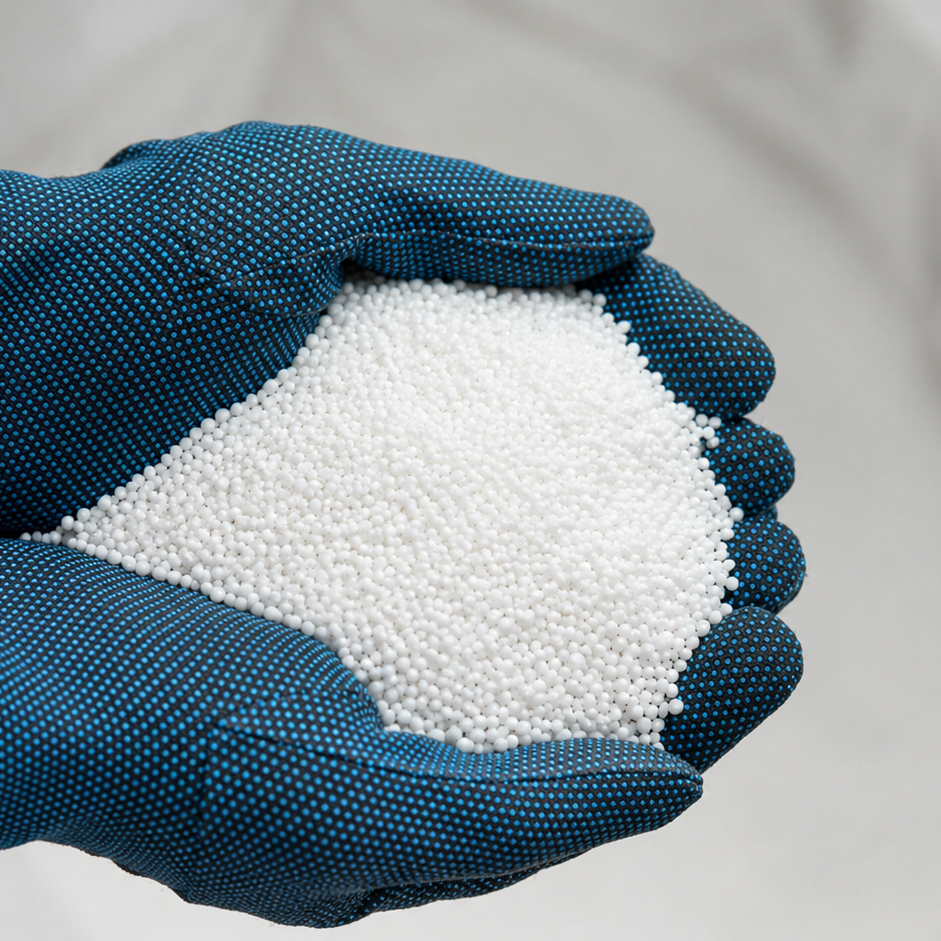
Urea 46 is the standard grade, containing about 46 percent nitrogen. It is usually sold as a prilled or granular product, and buyers compare it on nitrogen content, moisture, biuret level, and particle size. A good urea 46 nitrogen fertilizer supplier will share these specifications upfront. Pakistani importers and distributors typically look for:
- Consistent quality from shipment to shipment
- Bulk packaging options, such as 50 kg bags or jumbo bags
- Steady availability ahead of the planting seasons
- Clear documentation for customs clearance
If you want to buy urea from Iran, the overland route is a major selling point. Shorter transit and truckload flexibility help distributors respond to demand as it changes. You can see grades, packaging, and specifications on our urea product page.
Price matters too, of course. Urea pricing moves with global energy and grain markets, so it is worth tracking trends instead of relying on a single quote. Our guide to urea price trends for Pakistani buyers explains what usually drives the changes.
Other Chemicals Relevant to Pakistan
Fertilizer is only part of the picture. Iran–Pakistan chemical trade also covers a range of industrial chemicals that Pakistani factories use every day.
- Sulfur. Sulfur is a core raw material for fertilizer production, sulfuric acid, and various industrial processes. Pakistani manufacturers that need a steady feedstock often look to nearby sources.
- Methanol. Methanol is a versatile chemical used in formaldehyde, solvents, adhesives, and many other downstream products. Its demand follows industrial activity, which makes reliable supply important. Details and methanol price are on our methanol product page.
- Ethyl acetate. This solvent is widely used in paints, coatings, inks, adhesives, and packaging. Factories in these sectors value consistent purity and dependable delivery.
- Other industrial chemicals. Buyers also ask about ammonium sulfate, other solvents, and additional bulk chemicals because Iran has a broad petrochemical base; a single chemical manufacturer can often supply several products, which simplifies purchasing for importers who would otherwise manage multiple suppliers.
Working with one exporter for several products can also reduce paperwork, since orders can sometimes be combined or coordinated on the same route.
How Border Logistics Affects Delivery in Iran–Pakistan Chemical Trade
Even the best route depends on smooth border procedures. Understanding how cross-border trade works helps you set realistic expectations for delivery lead time.
A typical shipment passes through several stages. The cargo leaves the factory and travels to a hub such as Zahedan. It then reaches the Iranian border terminal at Mirjaveh or Gabd, where export customs clearance takes place. After crossing, the goods go through Pakistani customs at Taftan or Rimdan, and then continue by road or rail to the buyer’s warehouse. Several factors influence how long each stage takes:
- Documentation quality. Missing or inconsistent paperwork is one of the most common causes of delay at any border crossing.
- Volume at the crossing. Busy periods can slow processing.
- Inspection and testing. Some chemicals require extra checks.
- Weather and road conditions. Long overland routes can be affected by seasonal conditions.
The practical lesson is that delivery time depends as much on preparation as on distance. Importers who organize customs documentation early and work with an exporter who does the same usually see fewer surprises.
What Buyers Need From an Iranian Exporter
Choosing an Iranian chemical supplier is about more than a good price. Procurement and supply-chain managers should ask for the following.
- Clear product specifications. Every shipment should match a written specification covering purity, grade, packaging, and tolerances.
- Complete documentation. A reliable exporter provides a Certificate of Analysis (COA), a Safety Data Sheet (SDS/MSDS), a Certificate of Origin, and the commercial paperwork required for customs documentation. Our guide to chemical export documentation walks through each item.
- Transparent Incoterms. Know exactly who handles what. Under FOB, the buyer takes responsibility after the goods are loaded at the point of export. Under CFR and CIF, the seller arranges main transport, with CIF also including insurance. The right choice depends on your experience with freight and how much control you want.
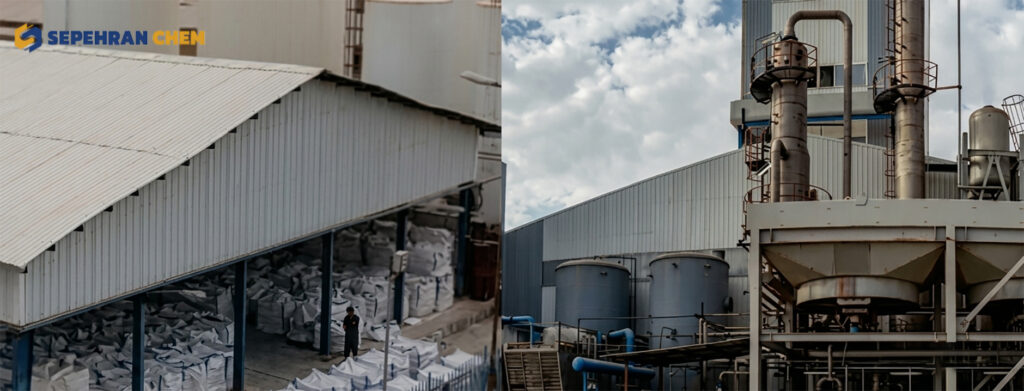
- Manufacturing capability. Buying from a manufacturer, rather than a pure trading house, often means better consistency and clearer accountability. Sepehran Chemistry produces many of the products it sells, operates multiple factories, and exports to dozens of countries.
- Responsive communication. Many Pakistani buyers prefer fast, direct contact, often through WhatsApp. An exporter that answers quickly and clearly is easier to work with when timelines are tight.
- Realistic lead times and order terms. Ask about minimum order quantities, payment terms, and expected delivery windows before you commit.
Comparing Overland and Maritime Supply
Neither route is always better. The right choice depends on your product, volume, and timeline.
- Overland supply works best when you want flexible quantities, shorter planning cycles, and direct delivery to inland destinations like Quetta or the wider Balochistan region. It suits distributors and factories that order regularly in truckload amounts. Rail freight can add another option for heavier, steadier volumes where the infrastructure supports it.
- Maritime supply often makes sense for very large orders, especially when the destination is a port city like Karachi. Shipping large tonnages by sea can lower the cost per ton when volume is high enough. The trade-offs are longer planning, larger minimum commitments, and dependence on port schedules and congestion.
- Multimodal transport combines the two. For example, cargo might travel by sea to a port such as Chabahar or Gwadar and then continue by road. This can balance cost and flexibility, though it adds coordination between carriers.
- Many experienced importers use a mix: sea freight for large, planned volumes and overland freight for urgent or smaller orders. Comparing transportation costs should include everything, from freight and handling to storage, customs charges, and the cost of delays, not only the headline price per ton.
What This Means for Iran–Pakistan Chemical Trade
For Pakistani buyers, Iran–Pakistan chemical trade offers a practical option built on proximity, established border crossings, and a wide product range. The Iran Pakistan overland trade corridor gives importers flexibility in order size, more control over timing, and a direct path into the Pakistan market.
To get the most from it, focus on the fundamentals. Understand the route and the border procedures. Insist on complete documentation and clear specifications. Choose Incoterms that match your capabilities. And work with an exporter that can explain its logistics in plain terms, not just quote a price.
If you are evaluating suppliers for urea, sulfur, methanol, ethyl acetate, or other bulk chemicals, a good next step is to share your product, quantity, and delivery location and ask for a tailored proposal.
Are You Looking for a Trusted Supplier and Manufacturer?
You can request a quote from our export team, and we will help you compare overland and maritime options for your specific needs.