how to compare chemical supplier quotes

How to Compare Bulk Chemical Supplier Quotes Fairly

When buying industrial chemicals in bulk, choosing the lowest quotation may seem like the easiest way to reduce costs. However, two suppliers can offer very different terms for the same product, even when their prices per ton appear similar. Differences in grade, purity, packaging, freight, delivery terms, and payment conditions can have a major impact on the final cost. Knowing
Read More »
Chemical Import Lead Time

Chemical Import Lead Times: What Can Delay a Bulk Shipment?

When importing industrial chemicals in bulk, knowing when an order will arrive is essential for production planning, inventory management, and meeting customer demand. However, the expected delivery date depends on more than the distance between the supplier and the destination. Production capacity, stock availability, quality testing, export documents, freight booking, and customs clearance can all affect the final arrival date.

Read More »
bulk chemical supply agreement

What Should Be in a Bulk Chemical Supply Agreement?

A bulk chemical supply agreement establishes the terms under which a supplier provides chemicals to a buyer. It defines what will be supplied, the required quality, the quantity, delivery arrangements, payment conditions, and the responsibilities of both parties. For international chemical trade, a clear agreement is particularly important. Differences in product specifications, packaging expectations, shipping schedules, or quality documentation can

Read More »
Third Party inspection for chemical shipments

Third-Party Inspection for Bulk Chemical Shipments: When Do Buyers Need It?

Buying bulk chemicals involves more than agreeing on a price and arranging transportation. Buyers must ensure that the product meets the agreed specifications, the shipment contains the correct quantity, and the cargo is properly packaged and documented. When an order is worth thousands or hundreds of thousands of dollars, even a small discrepancy can cause financial losses, production delays, or

Read More »
bulk chemical supplier qualification

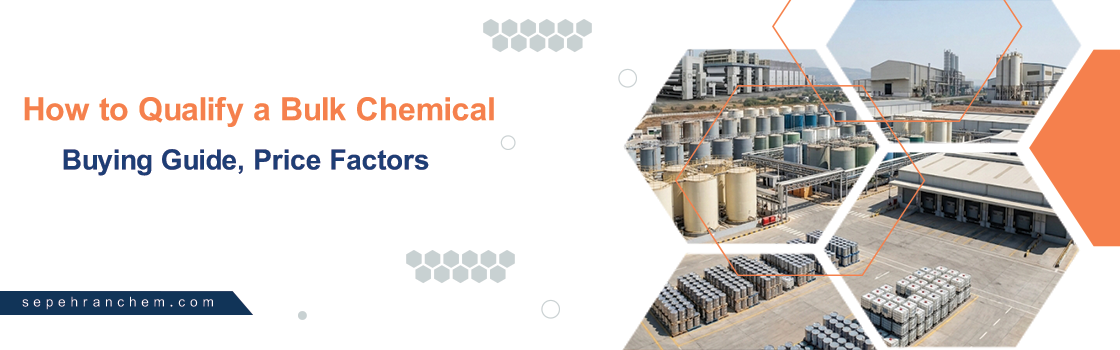
How to Qualify a Bulk Chemical Supplier Before Your First Order

You have decided to buy bulk chemicals. The harder question is who to buy them from. A supplier that looks fine on a website can still deliver off-spec product, miss a shipping window, or disappear after the first order. In bulk trade, one bad shipment can mean thousands of dollars in losses and weeks of lost production. That is why

Read More »
sodium bicarbonate feed and food grade

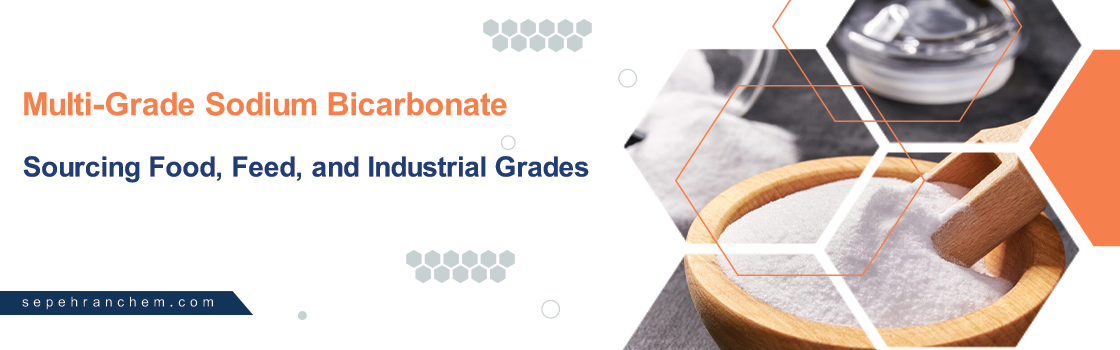
Multi-Grade Sodium Bicarbonate: Sourcing Food, Feed, and Industrial Grades

Sodium bicarbonate looks like one product on paper: the same white crystalline powder, the same basic chemical formula (NaHCO₃), but the grade you actually need depends entirely on where it’s going next. A feed mill blending it into cattle rations has completely different purity requirements than a bakery buying it for leavening, and both are worlds apart from a factory

Read More »
Industrial Glycols Application

Industrial Glycols Application: A Guide to Sourcing MEG, DEG, TEG, and MPG

Glycols are a chemical family where a small labeling mistake causes a real production problem. Monoethylene glycol (MEG), diethylene glycol (DEG), triethylene glycol (TEG), and monopropylene glycol (MPG) all look similar on a spec sheet: clear, viscous, hygroscopic liquids, but they serve completely different industries, and substituting one for another is rarely a safe shortcut. A polyester fiber plant needs

Read More »
chemical export documentation

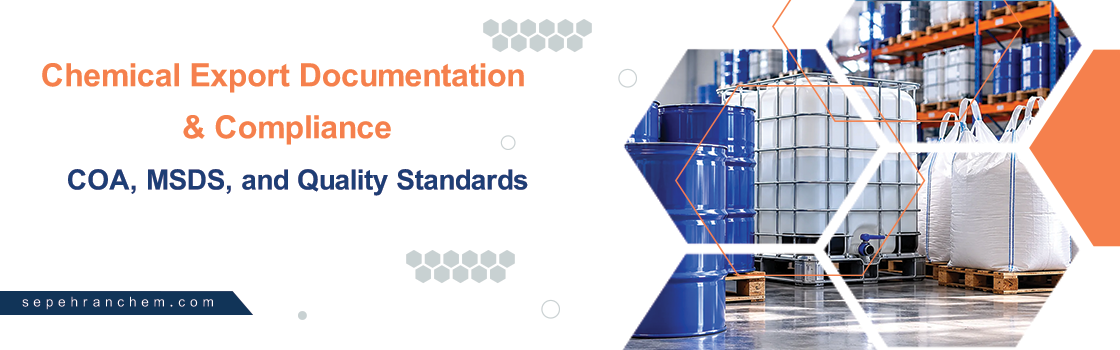
Chemical Export Documentation & Compliance: COA, MSDS, and Quality Standards

If you import industrial or petrochemical products, you already know that the product itself is only half the deal. The paperwork that travels with it decides whether your shipment clears customs smoothly, whether your quality team can actually verify what’s in the drum, and whether your company stays compliant with local safety law. Good chemical export documentation is what separates

Read More »
Iranian vs Russian urea

Iranian Urea vs Russian Urea Price Comparison

When agricultural distributors and fertilizer importers compare major urea suppliers, Iranian vs Russian urea is an important comparison for buyers in markets such as India, Pakistan, and parts of Africa. Both Iran and Russia have large natural gas reserves and established fertilizer industries. Both can produce urea 46% (urea with around 46% nitrogen), making them important sources of nitrogen fertilizer

Read More »