
Buying bulk chemicals involves more than agreeing on a price and arranging transportation. Buyers must ensure that the product meets the agreed specifications, the shipment contains the correct quantity, and the cargo is properly packaged and documented. When an order is worth thousands or hundreds of thousands of dollars, even a small discrepancy can cause financial losses, production delays, or disputes. This is where third-party inspection for chemical shipments can help. An independent inspection company verifies selected aspects of an order before dispatch or during loading, giving buyers additional evidence that the supplier has met the purchase agreement.
However, not every shipment requires the same level of inspection. The decision depends on the product, supplier relationship, order value, destination requirements, and potential consequences of receiving nonconforming chemicals.
What Is Third-Party Inspection for Chemical Shipments?
Third-party inspection for chemical shipments is an independent verification process conducted by a company separate from the buyer and supplier. Its purpose is to check whether specific aspects of an order comply with agreed contractual requirements. Depending on the inspection scope, the inspector may verify quantity, packaging, product identification, sampling procedures, laboratory results, loading conditions, and shipping documents. Inspections can take place at a production facility, warehouse, storage terminal, or loading point.
For bulk liquids, an inspector may examine tank conditions, loading records, seals, and quantity measurements. For bagged or containerized chemicals, checks may focus on package integrity, labeling, batch identification, and container condition. The buyer and supplier should agree on the inspection scope before dispatch. An inspection covering packaging and quantity, for example, may not include laboratory testing. Buyers must establish exactly what will be checked and recorded in the final report.
What Can a Third-Party Chemical Inspection Check?
A third-party chemical inspection can cover several areas, depending on the chemical, shipping method, and contractual requirements.
1. Quantity Verification
Quantity verification confirms whether the amount supplied matches the purchase order or sales contract. This is particularly important for bulk liquids, powders, and granular products, where measurement methods can affect the recorded quantity. Inspectors may review calibrated weighing equipment, weighbridge records, tank measurements, loading meters, or other appropriate records. The method depends on the product’s physical form and how the cargo is handled.
For example, a buyer ordering bulk methanol may require quantity verification at the agreed loading point. For bagged sodium bicarbonate, checks may involve counting packages, verifying bag weights, or reviewing weighing records. The contract should specify the measurement method and the point at which the quantity is determined.
2. Product Identification and Specification

A chemical shipment inspection can help confirm that the supplied product matches the product specified in the contract. Inspectors may check labels, batch numbers, packaging markings, and production records. They can compare available information with the agreed product specification, including purity, concentration, moisture content, and other relevant parameters.
However, visual checks and document reviews cannot establish every chemical property. When conformity depends on specific analytical results, sampling and laboratory testing may be necessary. Buyers should define the required parameters and acceptable limits before shipment. This allows the inspector to assess the available evidence against clear requirements rather than general quality claims.
3. Sampling and Laboratory Testing
Sampling involves collecting portions of the product for analysis. Depending on the inspection agreement, samples may be taken from a batch, storage tank, individual packages, or cargo during loading. The sampling method matters because an unrepresentative sample can produce misleading results. Buyers should agree on sampling procedures, sample handling, laboratory requirements, and the number of samples in advance.
Laboratory testing can assess chemical properties against the acceptance limits specified in the contract. For bulk chemical inspection, buyers should confirm whether testing is included in the inspector’s assignment or must be arranged separately. Hiring an inspector does not automatically mean that every batch will undergo a complete laboratory analysis.
4. Packaging and Container Condition
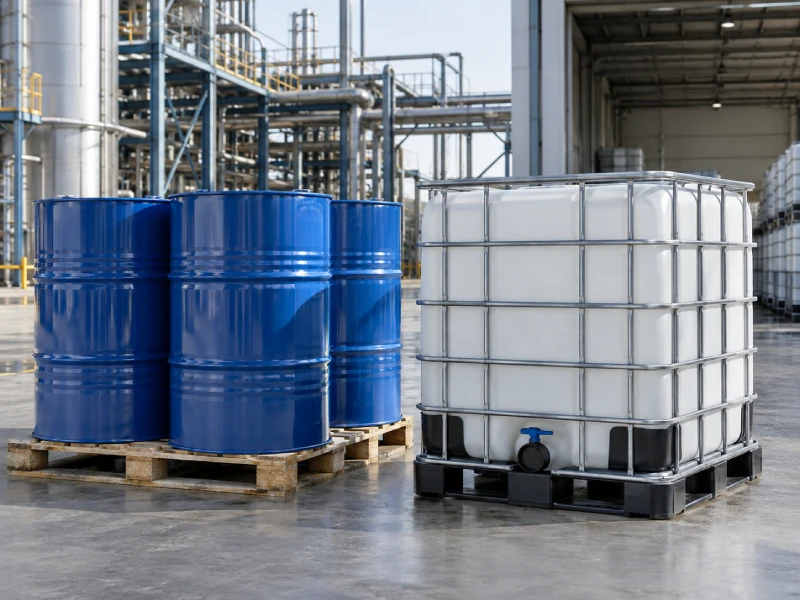
Packaging inspection helps confirm that chemicals are packed appropriately for transportation and storage. Depending on the product, the inspector may check bags, drums, intermediate bulk containers (IBCs), or other approved packaging.
Checks can identify damaged packages, visible contamination, missing labels, incorrect markings, or signs of leakage. These issues are particularly important for chemicals sensitive to moisture, contamination, or unsuitable handling. For containerized cargo, inspectors may examine cleanliness, dryness, general condition, and suitability for the intended product. They may also record container and seal numbers when required.
5. Loading Inspection
A loading inspection takes place during loading or immediately before dispatch. It can help confirm that the correct product is loaded and that quantity records and agreed procedures are followed. Depending on the shipment, the inspector may monitor bags, drums, or bulk liquids being loaded into trucks, containers, or vessels. Package counts, container numbers, and seal numbers may also be recorded.
Loading inspection is particularly useful when buyers cannot attend the supplier’s facility. It provides independent evidence of the conditions observed during dispatch, although it does not guarantee that problems cannot occur later in transit.
6. Documentation Consistency
Inspectors may compare shipment information across the purchase order, packing list, invoice, Certificate of Analysis, batch records, and other relevant documents. These checks can identify inconsistencies involving product names, quantities, batch numbers, or package counts. However, document comparison alone does not guarantee that every document is authentic or every statement is accurate.
Third-Party Inspection vs. Certificate of Analysis (COA)
A Certificate of Analysis (COA) and a third-party inspection serve different purposes. Understanding the difference helps buyers avoid assuming that one automatically replaces the other. A COA records test results for a particular product batch or lot. It typically identifies the product and batch and reports relevant quality parameters, test methods, and results. It is commonly issued by the supplier’s quality department or a laboratory.
A third-party inspection involves independent verification arranged according to an agreed scope. It may cover quantity, packaging, product identification, sampling, loading, and documentation, with laboratory testing included when specified.
A COA does not automatically replace independent inspection, and an inspection report does not automatically replace a COA.
For example, a supplier may provide a COA showing that a batch meets the required purity specification. The buyer may still want independent confirmation that the correct batch was shipped in the agreed quantity and appropriate packaging. Similarly, an inspector who verifies loading and package counts may not have conducted any laboratory analysis.
Buyers should understand what each document proves, who issued it, and which checks were performed. For further guidance, see our guide on how to check a chemical COA.
When Should Buyers Arrange Third-Party Inspection?
Third-party inspection for chemical shipments is particularly valuable when the potential cost of a shipment problem outweighs the cost of verification.
When Working With a New Supplier
A first order carries uncertainty because the buyer has limited experience with the supplier’s product consistency, packaging, documentation, and loading procedures. An independent inspection can provide additional evidence that the supplier has met the agreed requirements. It can also establish a useful baseline for evaluating future shipments.
When the Order Has a High Value
The higher the shipment value, the more expensive a quality or quantity discrepancy can become. Inspection may be worthwhile when a small deviation could lead to rejected cargo, costly reprocessing, or a contractual dispute. The decision should consider both the order value and the likely consequences of nonconformity.
When Buying From an Unfamiliar Market
International chemical trade can involve unfamiliar suppliers, loading facilities, documentation practices, and transportation arrangements. For example, buyers importing chemicals from India or sourcing chemical products from Central Asia or Pakistan may choose independent inspection when they need additional verification at the origin.
The decision should depend on the supplier and transaction rather than the country alone. An established supplier with a strong performance record may require a different inspection approach from a new supplier with limited verifiable history.
When Customer Specifications Are Strict
Some buyers supply chemicals to manufacturers that require precise quality parameters, consistent batches, and specific documentation. A shipment outside the agreed limits may be unsuitable even if the product is acceptable for other applications. Third-party inspection for chemical shipments can help verify the parameters and procedures that matter most to the buyer’s customers. The inspection plan should reflect the actual product specification rather than a general quality statement.
When Signing a Recurring Supply Contract
For long-term supply agreements, inspection can support consistent quality assurance and reduce uncertainty between buyers and suppliers. Buyers do not necessarily need identical checks for every shipment. They may arrange comprehensive inspections for initial orders and adjust the frequency later based on documented performance and product risk. Any reduction in inspection frequency should follow an appropriate risk assessment and comply with the contract.
When Specification Deviations Could Disrupt Production
Some chemicals are essential raw materials in manufacturing. Incorrect concentration, excessive moisture, or contamination can affect production efficiency and finished-product quality. For example, manufacturers using methanol or sodium bicarbonate may have strict requirements based on their production processes. Independent verification can help identify potential problems before the cargo reaches the facility.
What Does Third-Party Inspection Not Replace?
Although inspection can reduce uncertainty, it does not replace sound purchasing procedures or complete shipping documentation. First, buyers need clear contractual specifications covering product grade, required parameters, acceptable tolerances, quantity, packaging, sampling methods, and inspection arrangements where relevant.
Second, inspection does not replace the supplier’s COA or other required product documents. Buyers must ensure that the documentation package is appropriate for the chemical and destination. Third, inspection does not automatically establish compliance with customs rules, import permits, labeling regulations, dangerous-goods requirements, or other applicable legal obligations. These must be checked separately.
Finally, inspection cannot eliminate every transportation or storage risk. A product that meets specifications at loading may still be affected by contamination, moisture, temperature, leakage, or improper handling later. Inspection should therefore form part of a broader quality assurance and shipment verification process.
How to Arrange a Pre-Shipment Inspection for Chemicals

Before hiring an independent inspection company, buyers should identify the main risks and communicate their requirements to the supplier. Start by defining what needs verification. For one shipment, quantity and packaging may be the main concerns. For another, laboratory testing, batch identity, or loading procedures may be more important.
Next, agree on the inspection location, timing, applicable product specification, sampling procedure, and reporting requirements. If laboratory testing is necessary, establish which laboratory will conduct it and which test methods will be used.
The inspection should take place early enough to identify problems before dispatch. The supplier must provide suitable access to the goods, facilities, and relevant records. Finally, agree on how nonconformities will be handled. The contract should clarify the next steps if the inspector identifies damaged packaging, missing documents, quantity discrepancies, or test results outside the agreed limits.
The final inspection report should record the checks performed, findings, supporting evidence, and any limitations. Buyers can review it alongside the COA and other shipment documents before deciding whether the order meets their requirements.
Is Third-Party Inspection Worth the Cost?
The value of third-party inspection for chemical shipments depends on the risks involved, the cost of verification, and the potential financial impact of a problem. A comprehensive inspection may be unnecessary for a small order from a proven supplier. However, independent verification may be a sensible investment for a high-value shipment, a first transaction, or a chemical with strict acceptance requirements.
Buyers should compare inspection costs with potential losses from rejected cargo, production downtime, replacement purchases, and disputes. A focused inspection may provide meaningful protection without requiring every possible check.
Final Thoughts
Third-party inspection for chemical shipments gives buyers an additional way to verify whether a supplier has met agreed requirements before dispatch. Depending on the scope, it can cover quantity verification, product identification, sampling, packaging, loading, container condition, and documentation consistency.
The key distinction is that a COA documents analytical results for a batch, while an independent inspection verifies specific aspects of the order. Neither automatically replaces the other. By defining product requirements clearly, selecting appropriate checks, and reviewing inspection findings alongside the required shipping documents, buyers can make more informed purchasing decisions and manage bulk chemical supply risks effectively.