
When you’re placing a large chemical order, the supplier you choose matters just as much as the product itself. This is where the trader vs. direct manufacturer decision comes in, and it’s one every serious buyer eventually has to make. Do you buy through a trading company that resells product from wherever is convenient, or do you go straight to the source and buy from the factory itself? The answer shapes everything that follows: price, consistency, documentation, and how quickly problems get solved when something goes wrong.
Sepehran Chemistry operates 5 production facilities with a combined annual output of 180,000 tons, supported by a team of 400 employees. That scale is the starting point for understanding why sourcing directly from a manufacturer, rather than through a trader, is the safer, more reliable choice for enterprise-level buyers. A company with this kind of production capacity isn’t reselling someone else’s chemicals; it’s a primary producer capable of supplying major, recurring orders without depending on outside factories to fill the gap. This guide walks through exactly why that distinction matters, and what it means in practice for procurement teams comparing a trader against a direct manufacturer.
The Trader vs. Direct Manufacturer Decision, Explained Simply
A trading company doesn’t manufacture anything. It buys chemical products from various factories, sometimes a different one for every order, and resells them to you, usually at a markup. That arrangement can work fine for small, one-off purchases. But for buyers who need consistent quality and steady volume, it introduces real risk.
Here’s the core problem with the trader vs. direct manufacturer comparison: a trader has no control over how the product is made. If the factory changes a process, runs low on raw materials, or has a quality slip, the trader often doesn’t know until the shipment is already on its way to you. Worse, because traders frequently switch between suppliers to chase the best margin on a given order, the product you receive this quarter may not come from the same source as the one you received last quarter, even if the invoice looks identical.
A direct manufacturer, by contrast, controls its own production line from start to finish. That means fewer surprises, tighter quality control, and someone who can actually answer your technical questions instead of relaying them to a third party. When you’re comparing a trader against a direct manufacturer, the real question isn’t just “who’s cheaper this month”; it’s “who can I count on to deliver the exact same product, batch after batch, a year from now.”
The Manufacturer Advantage: Quality Control and Better Pricing
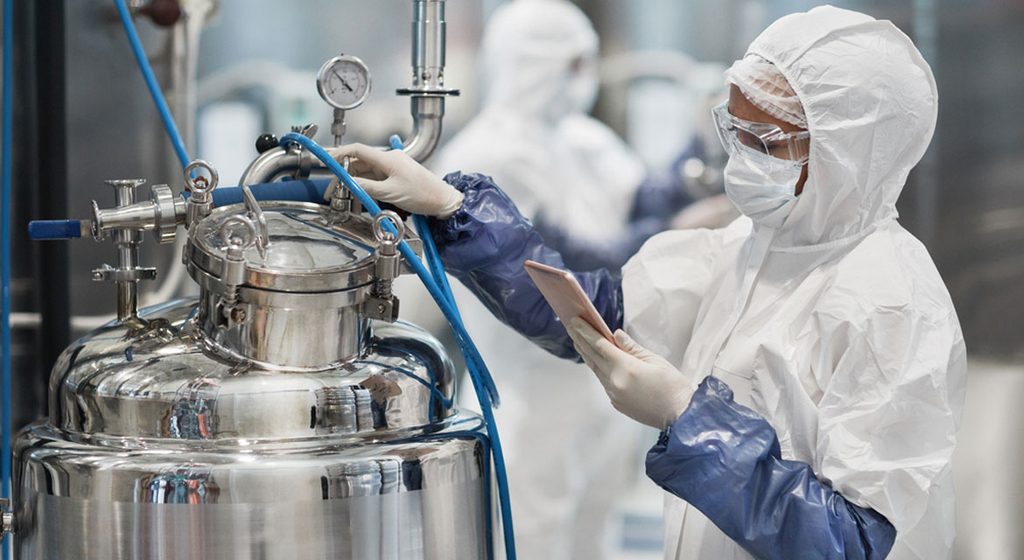
Buying directly from a manufacturer changes two things immediately: quality and price.
Quality control is the bigger issue in the long run. When you buy from a factory directly, every batch comes from the same production line, tested against the same specifications, every time. There’s no guesswork about which supplier the trader used this month, and no risk of receiving a slightly different grade than what you ordered last time. As a direct Iranian petrochemical manufacturer and exporter, Sepehran controls production from raw material to final packaging, which means the specifications you’re quoted are the specifications you actually receive. This is precisely the gap that separates a trader from a direct manufacturer: one is reselling a promise, the other is standing behind its own production line.
Pricing is the more obvious advantage. A trading company has to build its own margin on top of the factory’s price, and that markup gets passed straight to you. Buying direct removes that layer entirely. For enterprise buyers ordering in bulk, that difference adds up fast; often enough to materially change your unit economics over a year of ongoing orders. And because a direct manufacturer isn’t reselling someone else’s product, pricing tends to stay more stable over time, rather than shifting with whatever margin a trader needs to hit that particular month.
There’s a third, less obvious benefit too: communication. When a buyer working directly with a manufacturer has a specific requirement, a packaging change, a purity adjustment, a delivery deadline, that request goes straight to the people running the plant. With a trader, the same request has to pass through an extra layer, which slows everything down and increases the chance something gets lost along the way.
Mitigating Risk: What Happens When Something Goes Wrong
The real test of any supplier relationship isn’t the easy order; it’s what happens when something doesn’t go to plan. Say a shipment arrives with a specification slightly off from what was quoted. If you bought through a trader, resolving that issue means the trader first has to go back to whichever factory supplied that batch, find out what happened, and relay an explanation back to you. That process can take weeks, and in the meantime, your own production schedule is stuck waiting.
Buying from a direct manufacturer changes that timeline entirely. Because Sepehran owns and operates its own production facilities, any quality question goes straight to the engineers and plant managers responsible for that batch, not through a middleman with no authority to fix anything. Mitigating risk this way isn’t just about avoiding problems; it’s about making sure that when a problem does occur, it gets resolved quickly, with someone who’s actually accountable for the outcome.
How Multi-Factory Holdings Reduce Supply Chain Risk
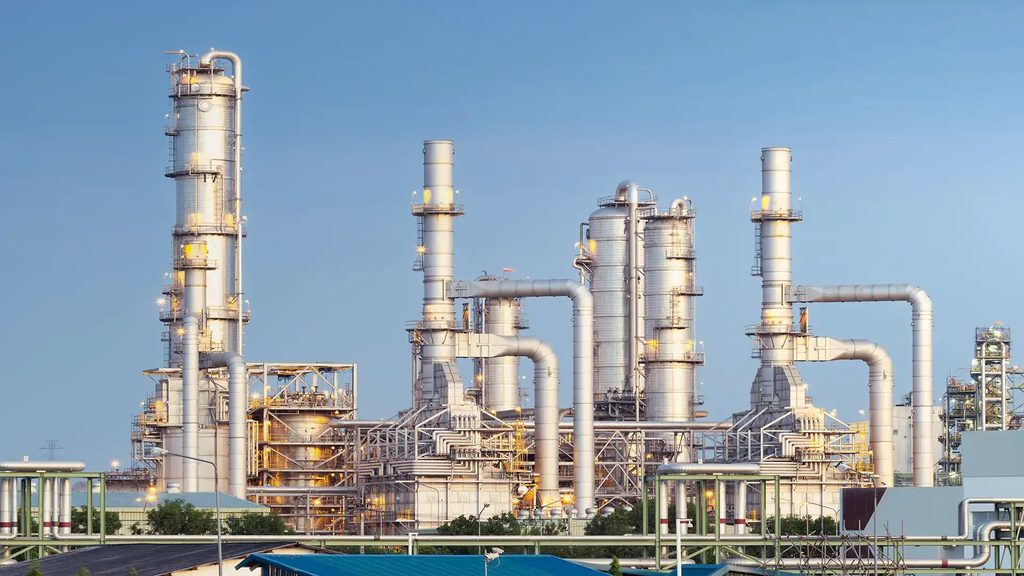
One thing that’s easy to overlook in the trader vs. direct manufacturer conversation is that not all manufacturers are equal, either. A single-factory producer still carries risk: if that one facility has a shutdown, a maintenance issue, or a local disruption, your supply stops with it.
This is where Sepehran’s structure works differently. Rather than depending on one plant, Sepehran operates across four specialized production facilities: Pars Soda, Barno Petro Caspian, Sepehr Petro Caspian, and Sepehr Petro Tarh Pars, each contributing dedicated capacity to the group’s core chemical lines. If you’d like to see how this actually functions day-to-day, our Sepehran Factories page breaks down what each facility produces and how they work together.
This kind of multi-factory setup is a genuine risk-mitigation strategy, not just a scale statistic. If one facility faces a temporary slowdown, production capacity elsewhere in the network can help absorb the gap, keeping supply moving instead of leaving buyers waiting. This matters far more with a direct manufacturer than with a trader: a trader can promise supply stability, but has no actual production capacity standing behind that promise. For companies that depend on a steady, uninterrupted flow of raw materials, real supply stability, backed by physical production capacity, is worth more than a slightly lower quote from a broker with no backup plan at all.
Compliance and Certification: Where Direct Manufacturers Have a Clear Edge
Enterprise buyers, especially those in regulated industries, need more than a good price; they need documentation they can actually verify. This is another area where the trader vs. direct manufacturer gap becomes obvious.
A trading company can hand you a certificate, but it can’t always guarantee the certificate matches the specific batch you’re receiving, especially if it sourced that shipment from a different factory than the one named on the paperwork. In some cases, a trader may not even know which of its supplier factories a given order originally came from. A direct manufacturer doesn’t have that problem. Because Sepehran controls its own production facilities, it can provide verifiable compliance documentation tied directly to the batch being shipped, including certification to ISO 9001 (quality management), ISO 14001 (environmental management), and ISO 45001 (occupational health and safety).
These certifications aren’t just paperwork for a file. They reflect how the factories are actually run day to day: the consistency of the manufacturing process, the handling of environmental impact, and the safety standards applied to the workforce producing your order. When a buyer requests a Certificate of Analysis alongside these ISO credentials, a direct manufacturer can trace both documents back to the exact production run, something a multi-source trader is rarely able to do with full confidence. For a buyer trying to manage risk across a global supply chain, that kind of traceable, verifiable compliance is exactly what a trading relationship usually can’t offer.
What This Means for Your Procurement Strategy
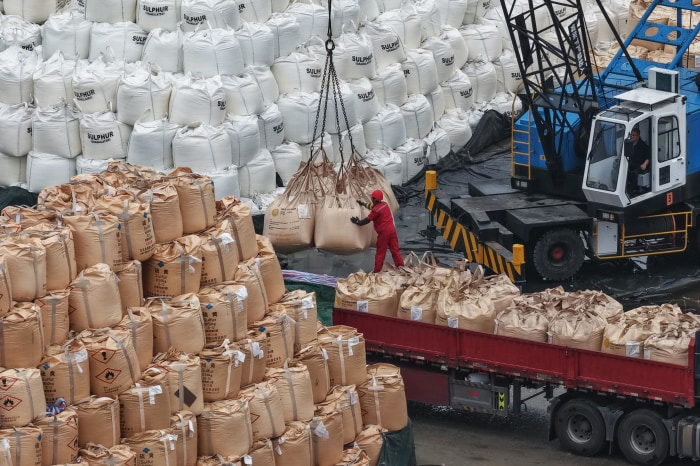
If you’re sourcing wholesale chemicals from Iran, the trader vs. direct manufacturer decision isn’t just a matter of preference; it’s a real factor in how reliable your supply chain will be over time. A trader might offer convenience on a single order, but a direct manufacturer offers something more valuable for ongoing procurement: consistent quality, transparent pricing, real risk mitigation through multi-factory production, and certification you can actually verify against the batch in front of you.
As an established Iranian chemical exporter, Sepehran Chemistry was built around this model from the start. Every product that leaves our facilities is manufactured, tested, and documented under our own direct oversight; not assembled from whichever factory happened to have stock that week. If you want to understand exactly how Sepehran works, from our production network to our export process, our About Us page walks through the full picture. It’s the same transparency we’d want to see if we were the buyer weighing a trader against a direct manufacturer ourselves.
The Bottom Line
For any buyer weighing a large or recurring chemical order, the trader vs. direct manufacturer question comes down to one thing: who actually controls the product you’re paying for? A trading company controls a transaction. A direct manufacturer controls the entire process, from raw material sourcing, through production and quality control, to the certificate that ships with your order.
Sepehran Chemistry’s scale, 5 factories, 180,000 tons of annual capacity, and 400 employees, exists to answer that question clearly. As a primary producer and Iranian petrochemical manufacturer and exporter, we give buyers direct access to production, transparent documentation, and the kind of supply stability that trading intermediaries simply aren’t structured to provide. For procurement teams that need to get the trader vs. direct manufacturer decision right, working directly with the manufacturer isn’t just the more efficient choice; it’s the lower-risk one.