
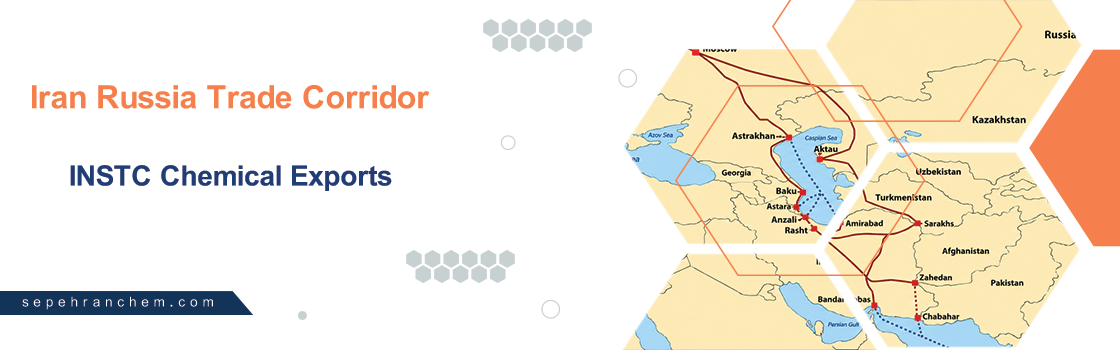
The Iran Russia trade corridor is becoming an important logistics route for companies moving industrial chemicals between Iran, Russia, and the wider CIS market. At the centre of this trade route is the International North-South Transport Corridor (INSTC), a multimodal network that connects Iran with Russia through the Caspian region and overland routes.
For chemical buyers, the Iran Russia trade corridor can provide an alternative to longer traditional shipping routes. Depending on the destination, transport method, customs process, and shipment conditions, chemical cargo can reach Russian markets in around 10–15 days through some INSTC routes. For Russian and CIS procurement teams, this creates an opportunity to source bulk chemicals from Iranian manufacturers while reducing unnecessary supply-chain steps and improving access to established petrochemical production capacity.
What Is the Iran Russia Trade Corridor?
The Iran Russia trade corridor is a network of road, rail, and maritime routes connecting Iranian production and transport centres with Russia and other CIS markets. The most important framework behind this connection is the International North-South Transport Corridor. Instead of relying entirely on longer maritime routes, the INSTC uses a combination of land and Caspian Sea transportation.
For chemical exporters and importers, this is particularly relevant because many industrial chemicals are traded in large volumes. Transport time, freight costs, packaging, customs procedures, and reliable delivery can therefore have a major effect on the total procurement cost. The corridor connects Iranian logistics centres with Russian destinations through routes that can include:
- Northern Iranian Caspian ports
- The Caspian Sea
- Russian ports such as Astrakhan and Olya
- Rail connections through Azerbaijan
- Overland routes through Turkmenistan and Kazakhstan
- The wider Russian rail network
This makes the Iran Russia trade corridor relevant not only to Russian buyers but also to companies serving markets throughout Central Asia and the CIS.
How Does the INSTC Work for Chemical Exports?
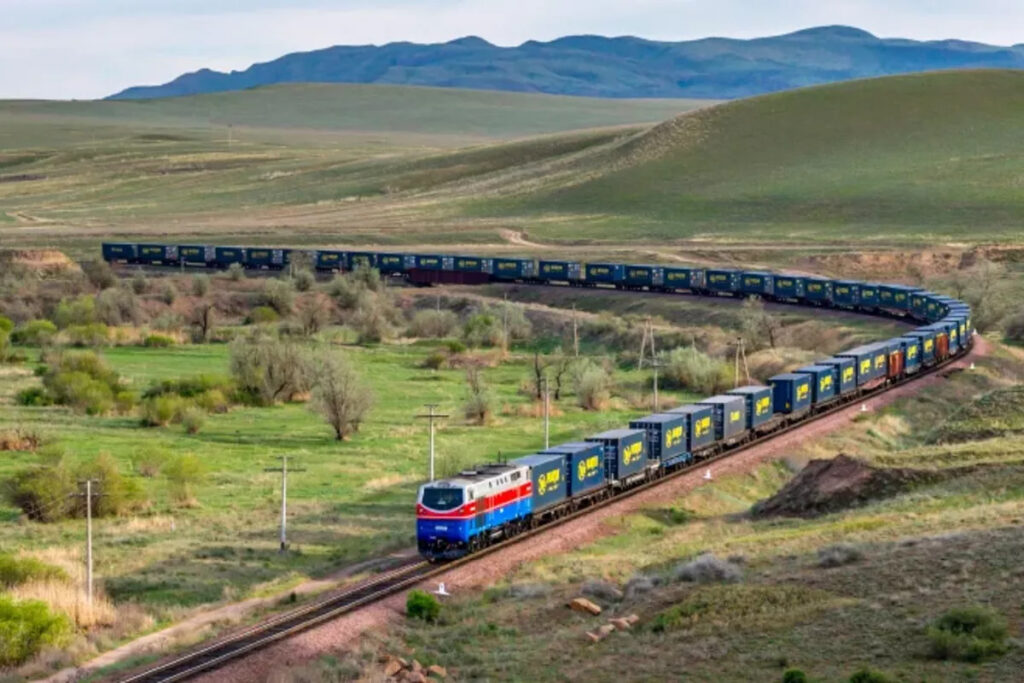
There are several ways chemicals can move through the Iran Russia trade corridor. The most suitable option depends on the product, destination, shipment size, and buyer’s logistics requirements.
Caspian Sea Route
One of the main options is to move chemicals from Iranian production centres to ports on the Caspian Sea, including Bandar Anzali, Amirabad, and Nowshahr. From these ports, cargo can be transported across the Caspian Sea to Russian ports such as Astrakhan or Olya before continuing to the final destination by road or rail.
For some shipments, the complete journey can take around 10–14 days from the factory to a Russian regional destination. Actual transit time depends on port handling, customs clearance, vessel schedules, inland transportation, and the final destination.
Rail and Multimodal Routes
The Iran Russia trade corridor also includes overland rail connections. Depending on the destination, cargo can move through Azerbaijan or via eastern routes connecting Iran with Turkmenistan and Kazakhstan before entering the Russian rail network.
Rail can be particularly useful for regular bulk shipments because it provides another option when Caspian Sea capacity or seasonal conditions affect maritime transport. For procurement teams, having both maritime and land-based options can improve supply-chain flexibility.
Why Is the Iran Russia Trade Corridor Important for Chemical Buyers?
Chemical manufacturers depend on regular access to raw materials. Delays can affect production schedules, inventory planning, and customer deliveries. The Iran Russia trade corridor can offer several potential advantages:
- Shorter transport routes: Some shipments can reach Russian markets faster than traditional long-distance maritime routes.
- Alternative logistics options: Buyers can consider Caspian Sea, rail, road, or multimodal transportation depending on their needs.
- Access to Iranian chemical production: Iran has a large chemical and petrochemical manufacturing base and supplies products used across many industrial sectors.
- Regional connectivity: The same corridor can support trade with Russia and wider CIS markets.
- Bulk shipment opportunities: Chemical products can be transported in containers, ISO tanks, bulk packaging, and other industrial formats depending on the product.
Which Chemicals Can Be Exported Through the Iran Russia Trade Corridor?
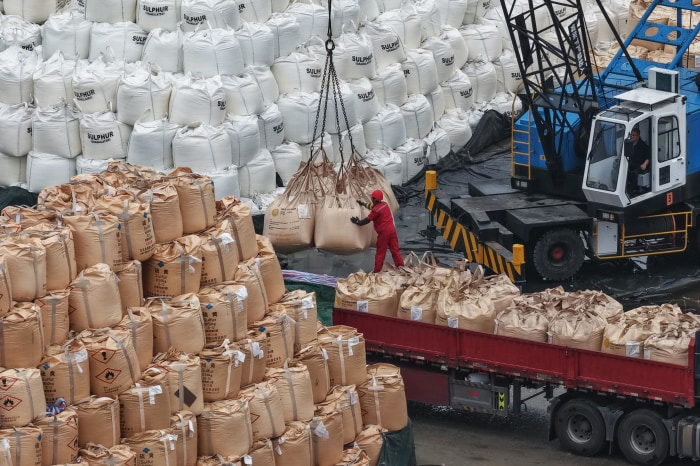
The corridor is relevant to a wide range of industrial chemicals. Sepehran Chemistry supplies several products that can serve Russian and CIS industrial buyers.
Caustic Soda Flakes
Caustic Soda Flakes, or Sodium Hydroxide, are widely used in pulp and paper production, detergent manufacturing, alumina processing, and water treatment. Sepehran supplies industrial Caustic Soda Flakes with high purity and supports bulk export requirements.
Calcium Chloride
Calcium Chloride is used in oilfield operations, construction, road de-icing, and dust control. For oil and gas applications, it can be used in drilling and completion fluids where density and fluid stability are important.
Glycols
Diethylene Glycol (DEG) and Monoethylene Glycol (MEG) are important industrial chemicals used in areas such as natural gas processing, antifreeze formulations, and polyester production. These products can be transported using suitable ISO tank and container logistics.
Methanol, Methyl Acetate and Ethyl Acetate
These chemicals are widely used as solvents and raw materials in paints, coatings, resins, adhesives, and other industrial formulations.
Sodium Bicarbonate and Fertilizers
Sepehran also supplies sodium bicarbonate together with fertilizer products such as ammonium sulphate and urea for agricultural and industrial applications. This product range allows buyers to discuss several chemical sourcing requirements with one export supplier.
Packaging for Chemical Transport Through the INSTC
Packaging is especially important when chemicals move through multiple transport stages. Solid chemicals such as Caustic Soda Flakes and Calcium Chloride can be supplied in heavy-duty Jumbo Bags. The original specifications indicate 1,000 kg and 1,250 kg FIBCs with internal polyethylene liners for improved protection against moisture.
Smaller shipments can be supplied in 25 kg bags placed on pallets and protected with stretch wrapping. For liquid chemicals such as solvents and glycols, suitable options can include:
- ISO tank containers
- Steel drums
- Flexitanks
- Other export-approved packaging according to product requirements
The correct packaging should always be selected according to the chemical, handling conditions, transport method, and buyer requirements.
Documentation and Customs for Iran Russia Chemical Trade
Successful chemical exports require more than transportation. Importers also need accurate technical and customs documentation. The original Sepehran information states that shipments can be supported with:
- Certificate of Analysis (COA)
- Material Safety Data Sheet (MSDS)
- Certificate of Origin (COO)
- Export customs documentation
- Technical product information
Sepehran’s facilities are also described as operating under ISO 9001, ISO 14001, ISO 45001, and ISO 1002 quality and management standards. For buyers using the Iran Russia trade corridor, preparing documentation before shipment can help reduce unnecessary delays during customs clearance.
Iran Russia Trade Corridor vs Traditional Shipping
The main advantage of the INSTC is its combination of maritime and overland transport.
| Factor | Traditional Long Maritime Route | INSTC / Iran Russia Trade Corridor |
|---|---|---|
| Route | Longer maritime journey | Caspian + road/rail |
| Typical transit | Around 35–45 days in the original comparison | Around 10–16 days in the original comparison |
| Transport options | Mainly maritime | Sea, rail, road and multimodal |
| Regional access | Less direct for CIS markets | Strong connection to Russia and Central Asia |
| Supply flexibility | Dependent on maritime schedules | Multiple transport options |
| Bulk chemical logistics | Available | Container, ISO tank, rail and other options |
These figures should be treated as indicative rather than guaranteed. Actual transit times and costs depend on the shipment route, destination, customs clearance, freight availability, and other logistics conditions.
Why Source Chemicals Directly From Sepehran?
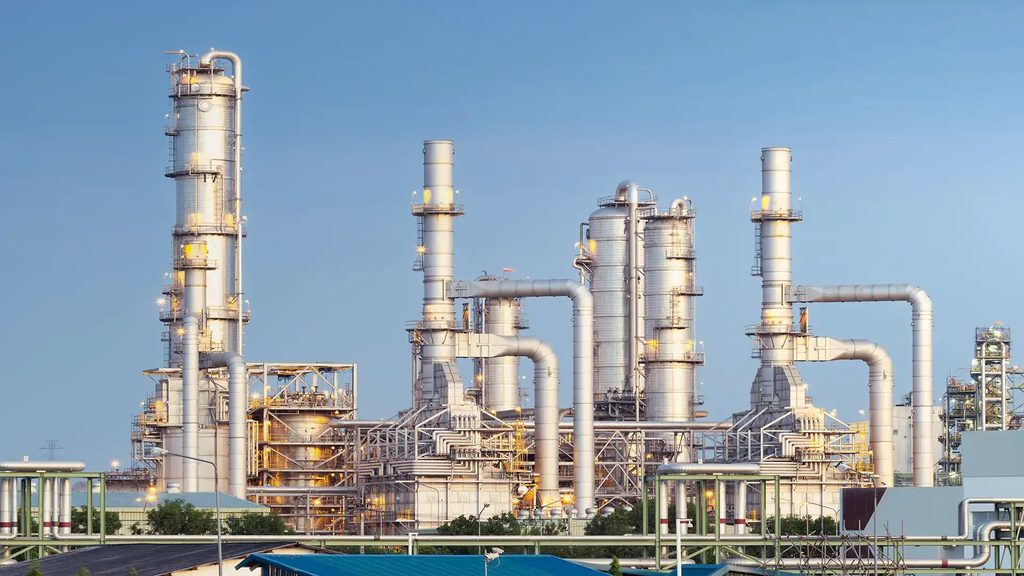
For buyers using the Iran Russia trade corridor, supplier selection is as important as route selection. Sepehran Chemistry operates five specialised production facilities with around 400 employees and an annual production capacity of approximately 180,000 metric tons. The company also states that it exports to 63 countries.
This manufacturing capacity allows Sepehran to work with international buyers on wholesale and bulk chemical requirements rather than relying only on small trading transactions. Direct sourcing can also reduce unnecessary intermediary steps and give buyers a clearer connection between manufacturing, product specifications, packaging, documentation, and export logistics.
Frequently Asked Questions
Depending on the selected route and destination, chemical shipments can take around 10–15 days in some INSTC logistics arrangements. Actual delivery times depend on inland transport, Caspian Sea schedules, customs clearance, and final destination.
One important route connects Iranian Caspian ports such as Bandar Anzali and Amirabad with Russian ports including Astrakhan and Olya. Rail and overland routes through Azerbaijan, Turkmenistan, and Kazakhstan also form part of the wider Iran Russia trade corridor.
A wide range of industrial chemicals can be transported through the corridor, including Caustic Soda Flakes, Calcium Chloride, MEG, DEG, Methanol, Methyl Acetate, Ethyl Acetate, Sodium Bicarbonate, Urea, and Ammonium Sulphate, subject to applicable transport and import requirements.
The exact requirements depend on the product and destination. Common export documents include a Certificate of Analysis, MSDS, Certificate of Origin, customs documentation, and technical product information.
Source Chemicals Through the Iran Russia Trade Corridor
The growth of the Iran Russia trade corridor gives Russian and CIS buyers another option for sourcing industrial chemicals from Iran. Through the INSTC, buyers can combine Caspian Sea, rail, road, and multimodal transportation to create supply routes suited to their products and destinations.
For companies who’d like to purchase wholesale chemicals from Iran, the combination of Iranian manufacturing capacity, regional logistics, bulk packaging, and export documentation can make this corridor an important part of a broader procurement strategy. Sepehran Chemistry supports international buyers with bulk chemical supply, technical documentation, packaging solutions, and export logistics.